
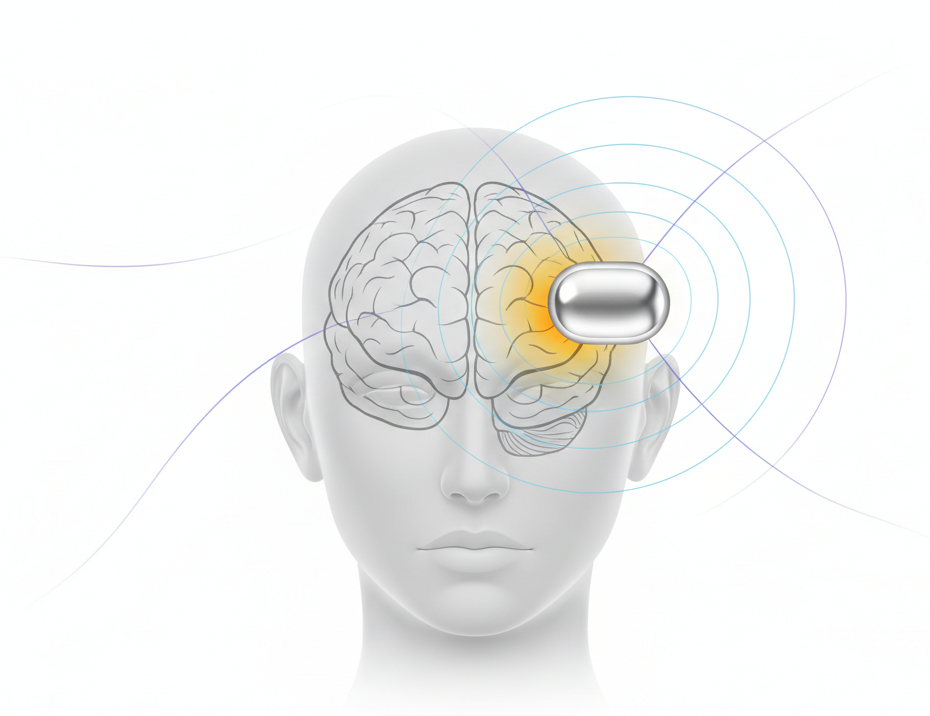
Pulsed Electromagnetic Field (PEMF) Therapy for Concussion Recovery
Concussion symptoms can linger well beyond the initial injury, affecting energy, mood, sleep, focus, and tolerance to light and noise. At IMH Clinic, we’re always looking for safe, evidence-informed tools that may support the brain’s recovery process.
One emerging area of interest is pulsed electromagnetic field (PEMF) therapy (sometimes described in the media as “magnetic therapy”). PEMF uses low-frequency electromagnetic pulses applied to targeted areas of the body with the goal of influencing cellular function and supporting tissue recovery.
What the concession research is suggesting
A clinical paper published in the Journal of Surgery and Medicine (JOSAM) reports improvements in post-concussion symptoms following a course of PEMF treatment. While larger studies are still needed, this type of early clinical evidence is one reason PEMF is being explored as a supportive therapy in concussion care.
Separately, researchers at the University of Saskatchewan reported that concussion symptoms were reversed in a research setting using magnetic stimulation approaches. This adds to the broader scientific interest in using electromagnetic-based therapies to influence brain recovery and symptom patterns after concussion.
Additional peer-reviewed work in Neuromodulation also explores electromagnetic-based neuromodulation approaches in relation to concussion and post-concussion symptoms. In plain terms, this research stream is looking at whether carefully delivered electromagnetic signals may help “nudge” brain networks back toward healthier regulation after injury—particularly systems involved in symptoms like headaches, sleep disruption, mood changes, and cognitive fatigue. While this doesn’t mean PEMF is a guaranteed fix (and protocols vary widely across devices and studies), it does strengthen the rationale for considering electromagnetic therapies as a supportive option within an individualized, medically guided concussion plan.
How PEMF may fit into a concussion plan
Concussion recovery is rarely one-size-fits-all. PEMF is not positioned as a stand-alone cure, but it may be used as part of a comprehensive plan that also includes:
- Symptom-guided return to activity
- Sleep and circadian rhythm support
- Targeted nutrition and inflammation support
- Vestibular, visual, and cervical assessment when indicated
Next steps
If you’re dealing with persistent post-concussion symptoms—or you want to be proactive early in recovery—our team can help determine whether PEMF is appropriate for your case and how it could be integrated into your overall plan.

Leave a Comment