Bowen Therapy for Concussion Recovery in North Vancouver & Vancouver: A Gentle Complement for Post-Concussion Symptoms
Concussions don’t always resolve in a few days. For many people, symptoms like headaches, neck tension, dizziness, sleep disruption, brain fog, anxiety, and sensitivity to light or sound can linger—sometimes for weeks or months. This ongoing pattern is often called Post-Concussion Syndrome (PCS).
At an Integrative Mental Health (IMH) concussion clinic, the goal is to understand what’s driving your symptoms and support a safe, step-by-step recovery plan. Alongside medical guidance and concussion rehabilitation, some people explore gentle complementary therapies to help calm the nervous system and reduce head-and-neck tension. One option that’s increasingly discussed is Bowen Therapy.
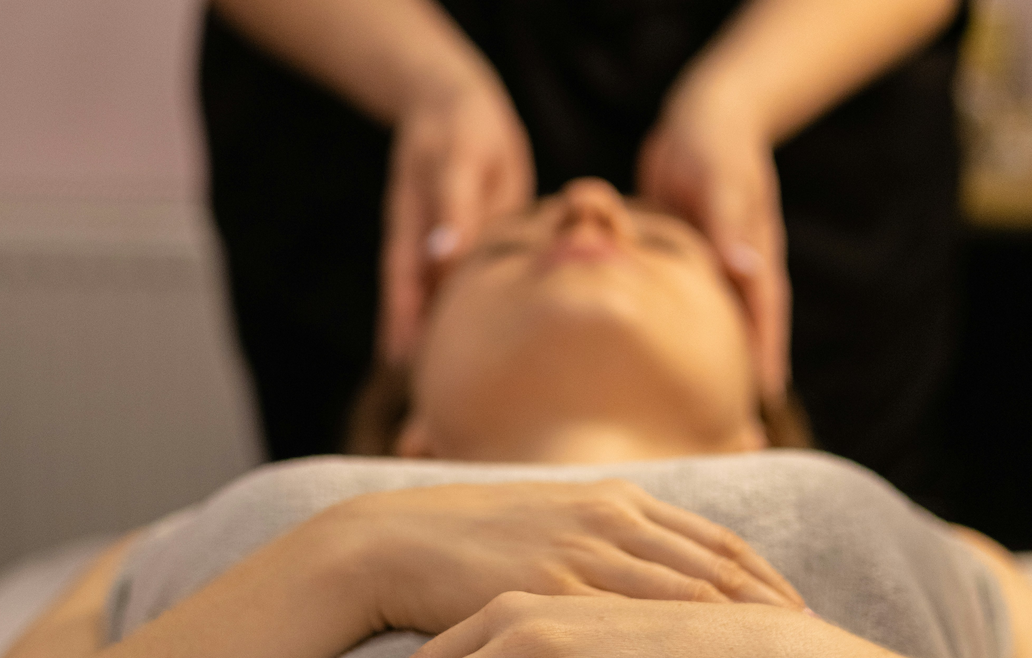
Bowen Therapy is a non-invasive bodywork technique that uses subtle, rolling movements over muscles and connective tissue. It’s designed to be low-intensity—often appealing for people who feel easily “overstimulated” after a concussion.
Why Concussion Recovery Often Needs a Nervous System Approach
A concussion can disrupt how the brain and nervous system regulate stress, sleep, and sensory input. Even when imaging is normal, people may still feel:
- “wired but tired”
- easily fatigued or overwhelmed
- more anxious or emotionally reactive
- sensitive to screens, noise, or busy environments
That’s why many concussion clinic plans include strategies that support nervous system regulation, pacing, and symptom-limited progression—not just “rest and wait.”
Bowen Therapy is sometimes chosen because it aims to support regulation without intense pressure, manipulation, or exertion.
How Bowen Therapy May Help After a Concussion (and with PCS)
1) Nervous System Regulation (Fight-or-Flight to Rest-and-Digest)
After a concussion, the body can get stuck in a heightened stress response (often described as sympathetic dominance). Bowen’s gentle rolling moves are thought to stimulate receptors that may help the body shift toward a calmer parasympathetic state (rest-and-digest).
Some patients report benefits such as:
- feeling calmer after sessions
- improved ability to rest
- reduced tension-related symptom flares
2) Releasing Neck and Shoulder Tension Linked to Head Impacts
Many concussions involve a secondary whiplash component, especially after sports injuries, falls, or motor vehicle accidents. Neck and shoulder tension can contribute to symptoms like:
- headaches or pressure sensations
- jaw/upper neck tightness
- visual discomfort that worsens with neck strain
- dizziness that’s influenced by neck position
Bowen Therapy aims to reduce muscular guarding and restore more balanced tension patterns—particularly in the neck, shoulders, and upper back.
3) Supporting Circulation and Lymphatic Flow
Some Bowen protocols focus on improving circulation and lymphatic movement. While this is not a direct “brain treatment,” supporting whole-body recovery can be helpful when your system is under stress and inflammation is part of the healing process.
Bowen Therapy and Concussion Recovery Protocols
Some practitioners follow structured approaches such as a Concussion Recovery Protocol (CRP), combining Bowen Therapy with other supportive methods to address common post-concussion patterns, including:
- neuromuscular dysfunction (tightness, asymmetry, guarding)
- balance complaints
- visually triggered discomfort
- stress-system overload
Bowen Therapy is generally used as complementary care—it may support comfort, regulation, and symptom management, but it is not a substitute for medical assessment, concussion diagnosis, or active rehabilitation when needed.
What to Know Before Booking Bowen Therapy After a Concussion
1) Get Medical Clearance First
Before any bodywork after a head injury, it’s important to be evaluated and cleared by an appropriate provider (primary care, neurology, or a concussion specialist). Seek urgent care if you have red-flag symptoms such as worsening headache, repeated vomiting, seizures, severe confusion, or new weakness/numbness.
2) Choose a Practitioner Who Understands Concussion Sensitivity
Concussion symptoms can flare with overstimulation. Look for a provider who can adapt sessions for:
- light/sound sensitivity
- fatigue and post-exertional symptom spikes
- anxiety or nervous system hypervigilance
3) What a Bowen Session Typically Looks Like
Bowen sessions usually involve:
- gentle rolling movements (no forceful manipulation)
- pauses between sets of moves
- a calm environment to help the body integrate
This pacing can be a good fit for people who aren’t ready for more intense manual therapy.
Looking for Concussion Support in North Vancouver or Vancouver?
If you’re searching for a concussion clinic in North Vancouver or Vancouver, an integrative plan can help identify the biggest drivers of your symptoms—often a mix of neck involvement, vestibular/visual strain, sleep disruption, and nervous system dysregulation.
Next step: Book a concussion assessment so your care plan matches your symptoms and stage of recovery. From there, you can decide whether Bowen Therapy makes sense as part of your overall support plan.