Red & Near-Infrared Light Therapy (Photobiomodulation) for Concussion Recovery
Concussion symptoms can be stubborn. Even when imaging is normal, people may continue to experience headaches, fatigue, sleep disruption, mood changes, and “brain fog” for weeks or months. At IMH Clinic, we use evidence-informed strategies to support recovery—and one area of growing interest is photobiomodulation (PBM), often described as red and near-infrared light therapy.
What is red/near-infrared light therapy?
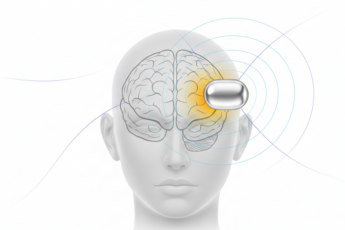
Photobiomodulation uses specific wavelengths of red and near-infrared light delivered to tissues (including the scalp) with the goal of supporting cellular function. In the context of concussion and mild traumatic brain injury (mTBI), PBM is being explored for its potential to support brain metabolism and recovery processes.
What the research is suggesting
An open-protocol study published on PubMed Central reported significant improvements in cognitive performance after a course of transcranial red/near-infrared LED treatments in people with chronic, mild traumatic brain injury. While this type of study design isn’t the final word (larger, controlled trials are still needed), it adds to the clinical signal that PBM may be a useful supportive therapy for persistent symptoms.
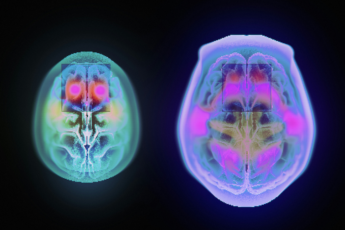
More recently, an RSNA feature highlighted research suggesting that light therapy may be associated with increased brain connectivity—a finding that aligns with the idea that PBM could influence functional networks involved in attention, processing speed, and symptom regulation.
The University of Birmingham has also summarized the growing evidence base for near-infrared light treatment in traumatic brain injury, reflecting broader scientific interest in PBM as a non-invasive approach that may complement standard concussion care.
How photomodulaiton may fit into a concussion plan
Concussion recovery is rarely one-size-fits-all. Red light therapy isn’t positioned as a stand-alone cure, but it may be considered as part of a comprehensive plan that also includes:
- Symptom-guided return to activity
- Sleep and circadian rhythm support
- Targeted nutrition and inflammation support
- Vestibular, visual, and cervical assessment when indicated
Next steps for concussion recovery
If you’re dealing with persistent post-concussion symptoms—or you want to be proactive early in recovery—our team can help determine whether photobiomodulation is appropriate for your case and how it could be integrated into your overall plan.
References