NAD+ Therapy for Concussion Recovery: Supporting Brain Energy and Neuroprotection
Nicotinamide adenine dinucleotide (NAD+) is a molecule your body makes from nicotinamide (vitamin B3). It plays a central role in mitochondrial energy production—helping convert nutrients from food into ATP (adenosine triphosphate), the “fuel” your cells run on.
Beyond energy, NAD has been studied for neuroprotective effects, including its potential role in reducing brain cell damage after traumatic brain injury (TBI). For this reason, some naturopathic doctors use NAD-focused therapies as part of a concussion recovery plan, with the goal of reducing the risk of persistent post-concussion symptoms.
What happens in the brain after a concussion?
A concussion is a form of mild traumatic brain injury caused by a mechanical force—such as a blow to the head, a fall, a sports collision, or a motor vehicle accident.
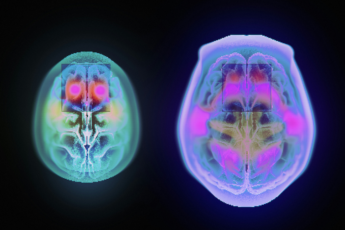
After the initial impact, the brain can enter a complex metabolic and inflammatory cascade. Common changes include:
- Disrupted brain energy metabolism (the brain’s ability to efficiently produce and use energy becomes impaired)
- Increased inflammation
- Oxidative stress (an imbalance between free radicals and antioxidant defences)
- Excitotoxicity (overactivation of neurons)
One key mechanism in concussion physiology is excitotoxicity, where neurons struggle to maintain a stable internal environment and may become “overfired” due to elevated levels of glutamate (an excitatory neurotransmitter). Swelling of brain tissue can also occur, further impairing cellular metabolism.
Common concussion symptoms
Symptoms can vary widely from person to person and may include:
- Headache
- Nausea
- Fatigue
- Memory and concentration challenges
- Cognitive slowing or “brain fog.”
- Mood changes (low mood, irritability)
- Sensitivity to light and noise
Why NAD matters after a concussion
Research suggests that oxidative stress following concussion can deplete NAD levels in neuronal mitochondria, which may contribute to impaired energy metabolism and, in some cases, neuronal cell death. Importantly, this type of metabolic injury may occur across the acute, subacute, and chronic stages of head injury.
NAD has been studied for its potential to:
- Reduce oxidative stress
- Support mitochondrial function
- Help normalize cellular energy metabolism
- Reduce the risk of neuronal injury and cell death
When NAD is depleted, cells may shift toward alternative energy pathways that can be more oxidative and less efficient. By restoring NAD availability, the aim is to support a return to more functional mitochondrial metabolism—an important target in post-concussion care.
How naturopathic doctors may use NAD in concussion care
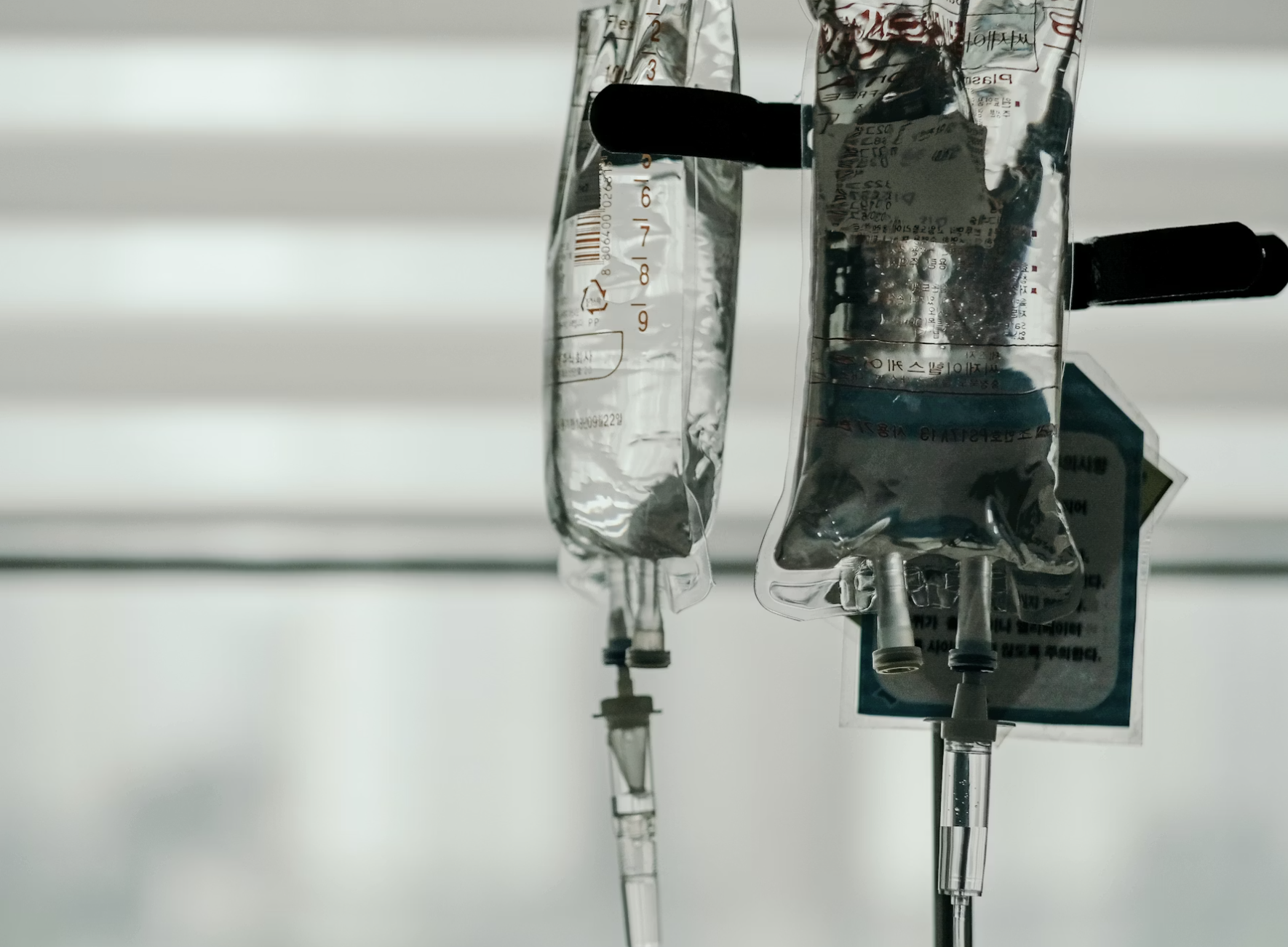
In a clinical setting, NAD-based interventions may be considered as one part of an individualized concussion plan—alongside rest, graded return-to-activity, sleep optimization, nutrition, inflammation support, and symptom-specific therapies.
The overarching goals are to:
- Restore mitochondrial energy metabolism
- Reduce oxidative stress
- Support neuroprotection during recovery
Refrences
- Prevention of Traumatic Brain Injury-Induced Neuron Death by Intranasal Delivery of Nicotinamide Adenine Dinucleotide
- Sustained delivery of nicotinamide limits cortical injury and improves functional recovery following traumatic brain injury
- The Use of Nicotinamide as a Treatment for Experimental Traumatic Brain Injury and Stroke: A Review and Evaluation