
Advanced concussion diagnosis for persistent symptoms + integrative cognitive recovery
Comprehensive Brain Concussion Diagnosis & Treatment in North Vancouver
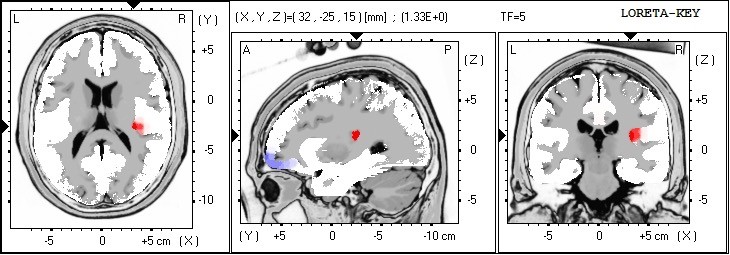
For patients in North Vancouver with lingering concussion symptoms, Dr. Mushtagh offers advanced assessment and personalized integrative treatment using qEEG brain mapping, neurofeedback, and functional medicine approaches. We use electroencephalograms (qEEG) and Impact testing for the diagnosis of the extent of traumatic brain injury. Then use evidence-based targeted treatments, such as IV NAD+, Photo modulation and Pulsed EMF therapy to facilitate speedy recovery.
Concussion Symptoms That Aren’t Going Away? Get a Complimentary Consultation in North Vancouver
If you’re dealing with headaches, brain fog, dizziness, poor focus, fatigue, or post-concussion symptoms, Dr. Mushtagh offers advanced assessment and personalized treatment options including qEEG brain mapping and integrative cognitive recovery care.
TEDx speaker | Advanced qEEG-based assessment | North Vancouver clinic
WHO IS THIS FOR
Concussion Testing may be a fit if you
- -Had a concussion and still don’t feel like yourself
- -Have headaches, dizziness, brain fog, or trouble focusing
- -Feel your recovery has stalled
- -Want a more in-depth assessment than a standard visit
- -Are you looking for personalized treatment, not generic advice
Treating Head Injuries
What to expect in your complimentary consultation
- -Review of your main symptoms and history
- -Discussion of whether further testing is appropriate
- -Overview of possible treatment options
- -Clear next steps if you decide to move forward
Facts
Concussion facts
Head injuries are common. About 20% of individuals experience one or more in their lifetimes. A loss of consciousness after a blow to the head usually means a concussion.
But not all head injury comes with a loss of consciousness. In fact, all too often, Traumatic brain injury without a loss of consciousness can rattle the brain enough to lead to long-term problems affecting the motor, cognitive and emotional capacity. The condition is called Post-Concussion Syndrome.
The simple fact remains that each concussion predisposes the individual to yet another one. And individuals with a history of concussion are more likely to receive a psychological diagnosis, such as ADHD, depression, or experience permanent changes in cognitive capacity.
Symptoms
Post Concussion Symptoms
Some symptoms of post-concussion syndrome show up immediately. Others may be delayed for days and remain for months to years after injury.
- Chronic headaches or pressure in the head
- Confusion, short-term memory loss or brain fog
- Fatigue and loss of cognitive capacity
- Problem falling or staying asleep
- Loss of balance or Dizziness
- Sensitivity to light and noise, or ringing in the ears
- Changed in Attention mimicking ADD, and ADHD
- Mood changes, loss of emotional control, and anger
- Psychological adjustment problems, such as depression or anxiety
Advanced concussion diagnosis for persistent symptoms + integrative cognitive recovery
A mind + body approach is the key to healing.
As a physician I make a point to strive for excellence in my field and compassion in my daily life.
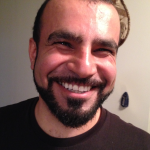
I chose to be a naturopathic doctor because I believe integrating the current medicine along with the natural treatments is essential for true mind-body medicine.
Why patients choose our concussion services
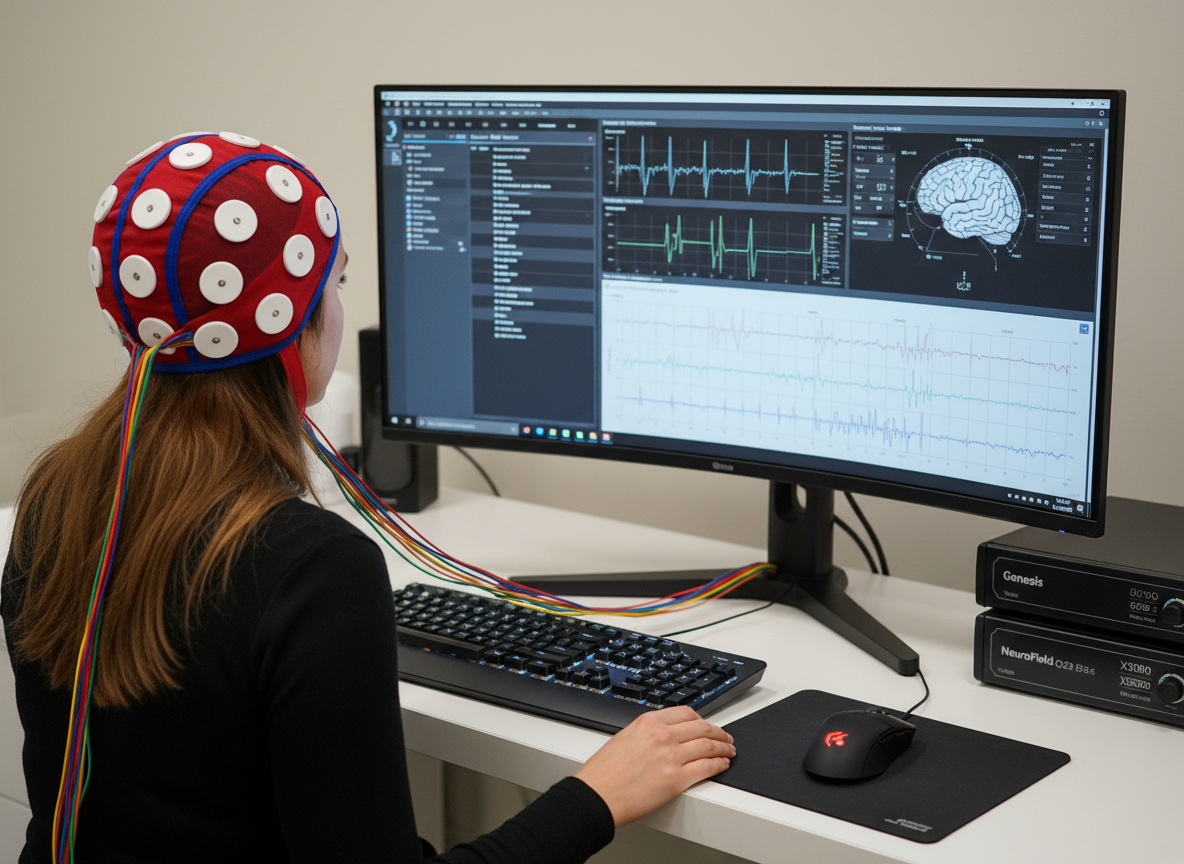
- Advanced assessment: qEEG brain mapping for deeper insight into cognitive function
- Integrative approach: combines brain-based assessment with personalized naturopathic and supportive therapies
- Focused expertise: concussion, cognition, attention, and neurofeedback
- Personalized care: treatment plans based on your symptoms, history, and recovery stage
Concussion Symptoms That Aren’t Going Away? Get a Complimentary Consultation in North Vancouver
COMPLETE DIAGNOSTIC AND TREATMENT PLANS
- qEEG Brain Mapping: $720 (best complex Concussive Syndrome, 2 x 1hr visits, detailed insight into severity, and extent of post concussion)
- qEEG Concussion Index: $360.00. (Best for Acute concussion, within 2 months of injury)
- Impact testing: $85.00. (Pre-concussion baseline)
This 4 months, twenty visits, diagnosis, treatment, and training plan are for individuals with a diagnosis of Concussion, TBIs, or Post-concussive Syndrome.
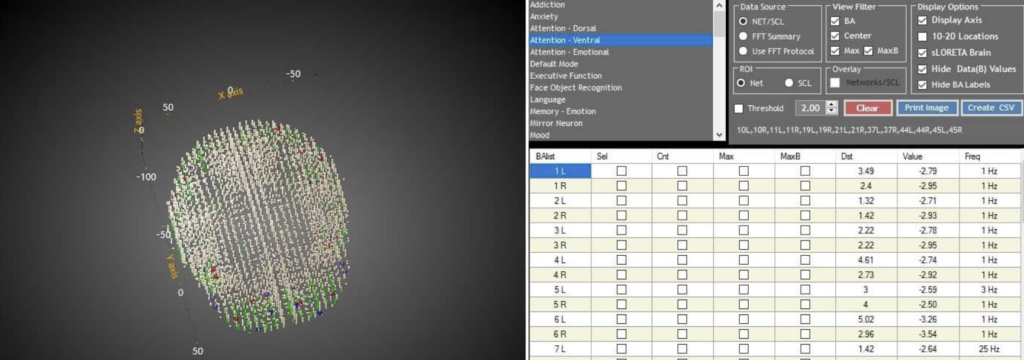
The first two visits are diagnostic, and expectations for outcome are set. Concussion Index and Attention Networks are examined. Depending on the history and assessment, the treatment plan is individualized and may include IV NAD+, Loreta Neurofeedback, Pulsed EMF therapy, Photo-modulation, Trigger Point Injection, Bowen therapy, and referral for vision and executive function training
TESTIMONIALS
HIGHLY RECOMMEND!!! The changes in my life have been positively amazing since working with Dr. Mushtagh. I have greater mental clarity, more sustained energy, a better mood and every area of my life has improved. Friends and family have even noticed incredible changes in me. If I were operating at 40% of my potential before, I feel that I am closer to 80% now. I can't recommend Dr. Mushtagh highly enough.
I’ve been seeing Dr. Saeid Mushtagh, and I couldn’t be happier with his care. He truly goes above and beyond for his patients, treating not just the symptoms but the whole person. His approach has been more effective than anything I’ve experienced before. For the first time, I feel real hope that I’m getting treatment that addresses the root cause, not just a quick fix. If you’re looking for a compassionate, thorough, and highly skilled naturopath, I highly recommend Dr. Mushtagh.
After struggling to understand and find the right approach for our son's ADHD diagnosis, Dr. Saeid Mushtagh provided the answers we were looking for through thorough testing and a personalized treatment plan. If you're a parent with a child navigating ADHD, I recommend getting a second professional opinion...
Saeid. You were the best Naturopathic Doctor that I have ever seen. I have seen four in my life in different locations but you were the best one for many reasons.
On June 12, 2014, I sustained a head injury at work. For the past three years, I have tried a number of different therapies to relieve my debilitating post-concussion symptoms. Since seeing Dr. Mushtagh, my ‘episodes’ have decreased in intensity, frequency, and duration as has my stuttering, fatigue, depression, anxiety, insomnia, and nerve pain. I no longer require the use of my walker, cane, or walking sticks. I highly recommend Dr. Saeid Mushtagh to anyone suffering from a concussion or Post-Concussion Syndrome. Thank you, Dr. Saeid for all that you have done towards my recovery!
I was under Saeid's care after suffering severe physical and mental side effects from cancer radiation treatment and the tragic death of my grandson. He brought me back to health and balance through his careful attention to the details impacting my life. In my case, he was a "Godsend." I have no hesitation recommending him. He is a man of compassion, incredible knowledge, wisdom, and integrity.
Nicest and the best naturopathic doctor I've seen over last 6 years of 15 ND's, MD's etc. Finds the underlining cause, very smart guy.
I have referred everyone I know to you. I was and am still so grateful for your care and thoughtfulness to me and everyone else I know that goes to you and that list is extensive. You’ve helped us all and we hold you in the very highest regard.
I want to thank you from the bottom of my heart for being there for me at my darkest hour. Honestly, I feel like I now have a good group of doctors and healers, that I trust, around me and I'm ready for the next chapter of my recovery. Thank you again for all your help. I am forever in your debt.


