QEEG and LORETA neurofeedback
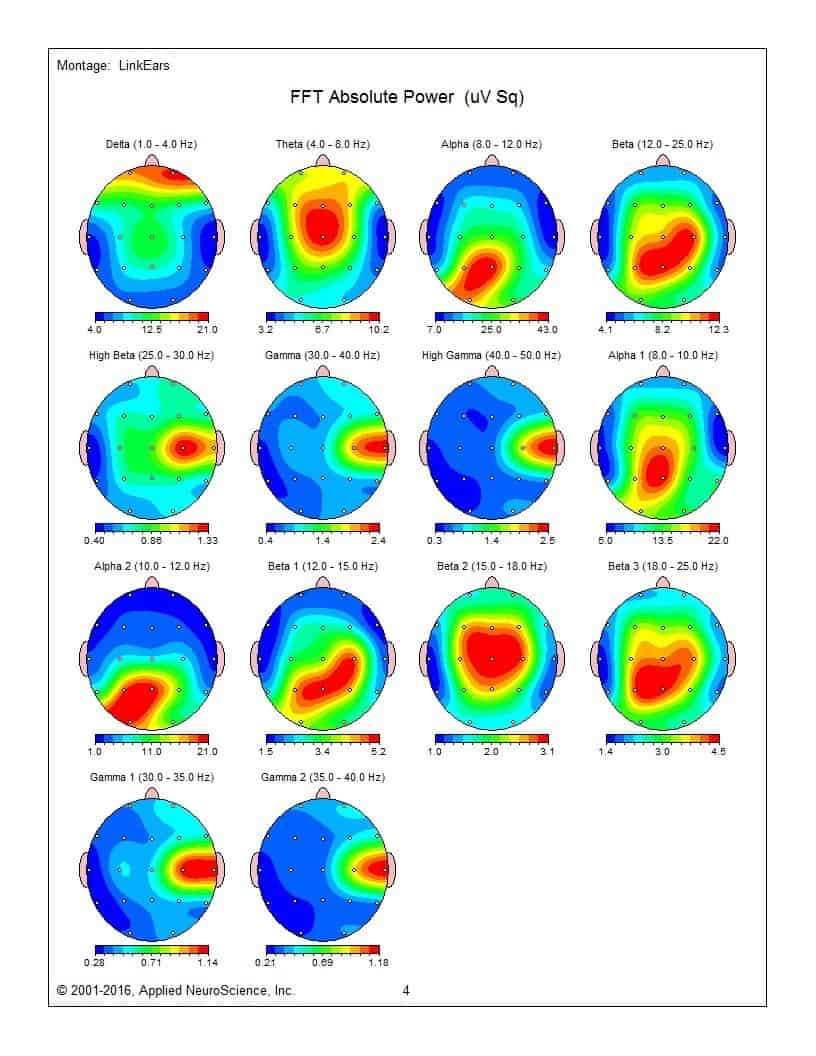
QEEG (quantitative electroencephalography) is a way of analyzing the brain’s natural electrical activity (brain waves) recorded from multiple electrode sites on the scalp over a period of time. This process—often called brain mapping—uses modern software to compare your results to reference data from healthy individuals (with no history of concussion or related symptoms). This helps us see how different parts of the brain are functioning in real time: which areas are engaged and processing efficiently, and which areas may be under- or overactive.
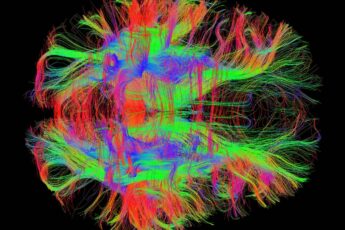
Research on large-scale brain networks shows that skills like focus aren’t produced by one isolated brain region. Instead, focus depends on communication between multiple brain “nodes” distributed throughout the brain. When you perform a task, different regions—sometimes far apart—coordinate through fast, synchronized brain signals. These networks act like preferred pathways that send electrical messages back and forth to support specific cognitive or motor functions.
A QEEG brain map helps reveal your unique pattern of strengths and challenges. It can highlight areas with too little or too much activity, and it can show how well different regions are coordinating with one another. In terms of identifying patterns of brain activity, QEEG has accuracy comparable to a functional MRI.
During a typical QEEG session, you wear a cap similar to a swimmer’s cap. The cap contains electrodes that detect brain-wave activity and send it to an amplifier. The system measures:
Amplitude (power): how strong the brain-wave activity is
Coherence: how well regions synchronize and communicate
Phase: the speed/timing of communication between regions
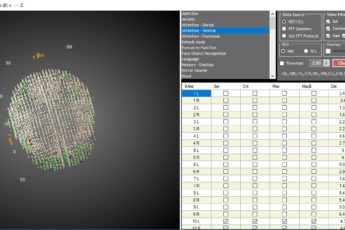
One of the most important advances in neuroscience is the understanding that the brain processes information through interconnected circuits (loops) that work together as networks. Using LORETA (research-approved software), QEEG can estimate activity patterns from deeper brain structures—helping identify which circuits may be contributing to symptoms and which ones to target in neurofeedback training.
For the first time, we can not only identify these patterns—including deeper brain network involvement—but also train them. When combined with 3D LORETA neurofeedback, QEEG findings can guide targeted training to help optimize brain activity and support meaningful improvements in symptoms.
If you’re dealing with brain fog, attention issues, or difficulty focusing after a concussion, a QEEG can map attention and executive-function networks and identify which regions may be functioning outside expected norms. For clients seeking LORETA neurofeedback for concussion in Vancouver and North Vancouver, this mapping helps guide a more targeted training plan.